DrinksMix.Net - Easy and Simple Drink Recipes

How to Prepare Gin and Tonic: A Classic Cocktail Recipe in 3 Easy Steps

The Gin and Tonic recipe is crisp, clean, and effortlessly refreshing, making it a timeless classic for any occasion. With botanical gin balanced by chilled tonic water and a hint of citrus, it feels light, bright, and perfectly revitalizing with every sip. Simple and elegant, it’s ideal for warm afternoons, casual evenings, or easy entertaining. As we explore smoked rosemary gin cocktail insights, the addition of herbal and smoky notes adds a unique twist to the traditional gin experience. This cocktail is perfect for those looking to elevate their gatherings with unexpected flavors that both intrigue and delight. Whether served as an aperitif or a nightcap, the smoked rosemary gin cocktail promises to be a memorable centerpiece at any event.
The Foundation of Gin and Tonic Recipe
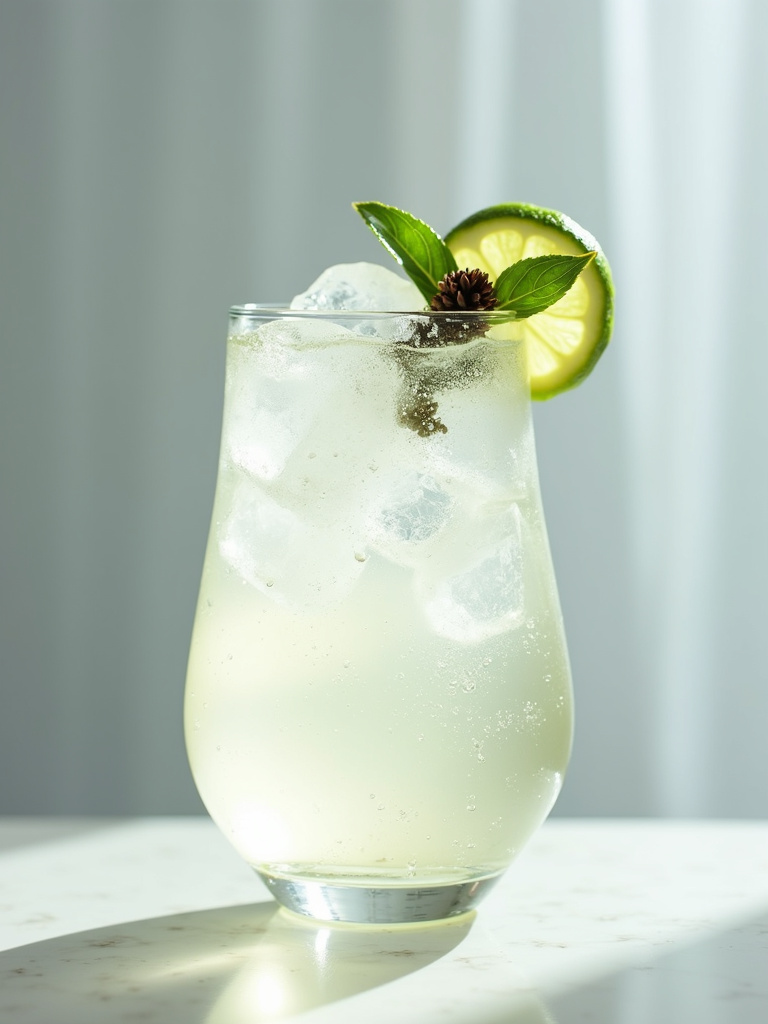
Gin and tonic is a classic cocktail with two key components. The quality of these ingredients can make or break your drink.
Choosing the Right Gin
When picking gin, you have many options. London Dry gin is a popular choice. It’s crisp and juniper-forward. Brands like Tanqueray, Beefeater, and Bombay Sapphire are well-known London Dry gins.
For a softer taste, try Plymouth gin. It’s smoother and less juniper-heavy than London Dry.
Hendrick’s offers a unique flavor with hints of cucumber and rose. It’s great if you want something different.
Try a few brands to find your favorite. The best gin for you is the one you enjoy most.
Understanding Tonic Water Varieties
Tonic water isn’t just one thing. There are many types to choose from.
Regular tonic water is the most common. It’s sweet and bitter, with quinine giving it its signature flavor.
Light tonic water has fewer calories. It’s a good pick if you’re watching your sugar intake.
Flavored tonics add extra taste. You can find cucumber, elderflower, or citrus varieties.
Some brands make artisanal tonic waters. These often use natural quinine and less sugar.
Pick a tonic that matches your gin. A strong gin pairs well with a bold tonic. Lighter gins work nicely with subtle tonics.
Perfecting the Mix
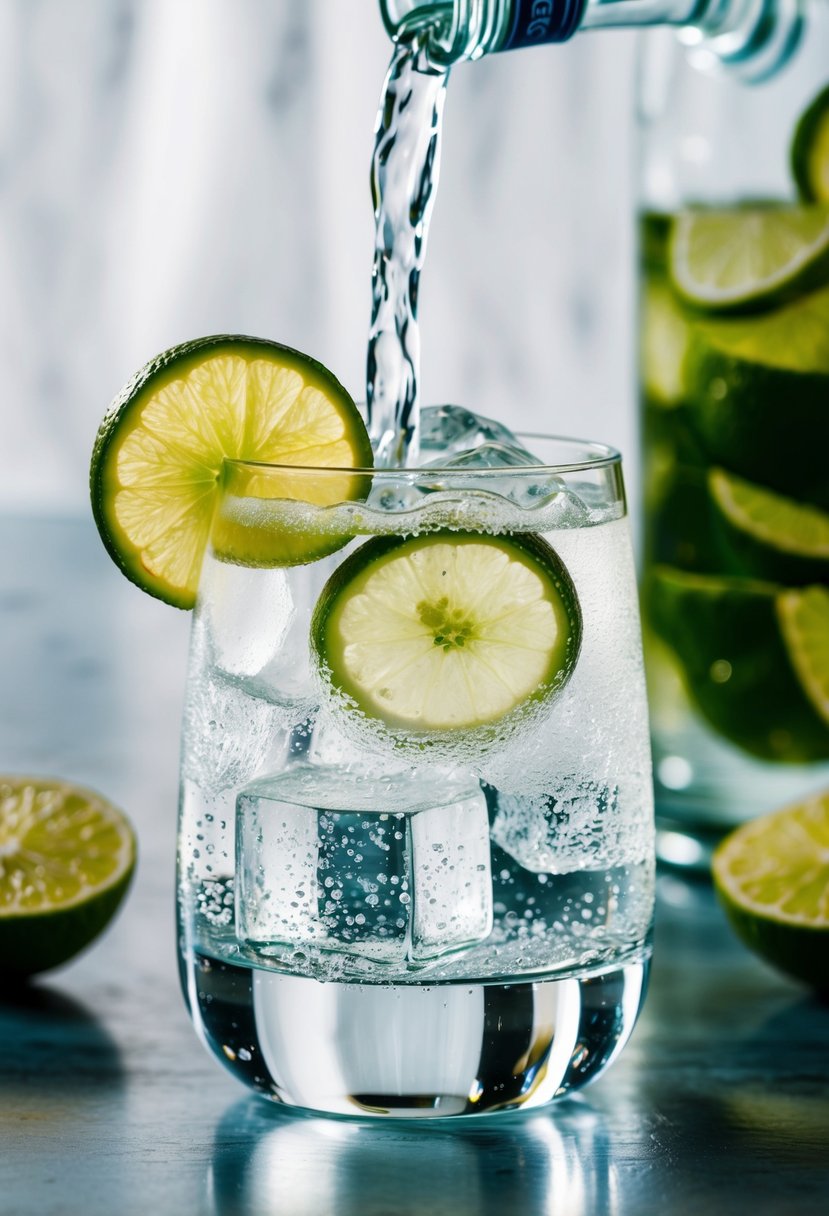
Making a great gin and tonic takes skill and attention to detail. The right balance of ingredients, proper ice, and a well-chosen garnish can elevate this classic cocktail.
Proportions for the Perfect Balance
Start with a 2:1 ratio of tonic to gin. Pour 2 ounces of gin into a tall glass. Add 4 ounces of chilled tonic water. This mix lets the gin shine without overpowering the drink. Adjust to your taste.
Some prefer a stronger 1:1 ratio. Others like it lighter with a 1:3 gin to tonic mix. Experiment to find your ideal balance.
Use high-quality ingredients. Choose a premium gin and a good tonic water. Avoid overly sweet tonics, as they can mask the gin’s flavors. Fresh tonic from a newly opened bottle gives the best fizz and taste.
The Role of Ice in Cocktails
Ice is key in a gin and tonic. It chills the drink and adds dilution.
Use large, clear ice cubes. They melt slower than small ones, so your drink won’t get watery too quickly.
Fill your glass with ice before adding liquids. This chills the glass and ingredients quickly. It also helps maintain the right level of fizz. Avoid using crushed ice, as it melts too fast and can make your drink watery.
The Art of Garnishing
A good garnish adds aroma and flavor to your gin and tonic. The classic choice is a lime wedge. Squeeze it gently over the drink before dropping it in. This adds a fresh citrus note.
Try other garnishes to mix things up. A slice of cucumber can give a cool, crisp taste. Rosemary sprigs add a fragrant, herbal touch. Pink grapefruit or orange slices work well with some gins.
Match your garnish to your gin’s flavor profile. Floral gins pair nicely with edible flowers. Spicy gins go well with peppercorns or star anise. Don’t overdo it. One or two garnishes are enough. You want to enhance the drink, not overwhelm it.
Cocktail Techniques and Glassware

Making a great gin and tonic requires skill and the right tools. Proper mixing methods and glassware choices can elevate your drink from good to exceptional.
Mixology Fundamentals
To mix a perfect gin and tonic, start with quality ingredients. Measure 2 ounces of gin and 4-5 ounces of tonic water.
Use a bar spoon to gently stir the drink, mixing the ingredients without over-diluting. Aim for about 10-15 seconds of stirring.
Add ice last to keep it from melting too quickly. Large, clear ice cubes work best as they melt slowly and don’t water down your drink. Garnish with a lime wedge or twist, squeezing it slightly over the drink to release its oils.
Remember to chill your glass beforehand. This keeps your gin and tonic cool longer.
Selecting Appropriate Glassware
The right glass can make your gin and tonic more enjoyable. A highball glass is the classic choice. It’s tall and narrow, holding about 8-12 ounces of liquid.
Balloon glasses are becoming popular for gin and tonics. Their wide bowl allows the drink’s aromas to gather, enhancing your sipping experience.
For a more elegant look, try a copa glass. It’s similar to a balloon glass but with a longer stem.
No matter which glass you choose, make sure it’s clean and free from soap residue or odors. This ensures nothing interferes with the taste of your cocktail.
Enhancing Gin and Tonic Variations
Gin and tonic is a versatile drink that offers many ways to spice things up. You can play with different flavors and ingredients to create unique twists on this classic cocktail.
Exploring Flavors with Different Botanicals
Gin comes in many varieties, each with its own mix of botanicals. You can try gins with strong juniper notes for a traditional taste. Or, pick ones with hints of citrus, florals, or spices for a different flavor profile.
Some gins have unique botanicals like cucumber, rose, or lavender. These can add interesting notes to your drink. You might also find gins with local ingredients that give a special touch.
To find your favorite, try a few different brands. Make a simple gin and tonic with each one. This lets you taste how the botanicals change the drink’s flavor.
Creative Twists with Fruits and Herbs
Adding fruits and herbs to your gin and tonic can create exciting new tastes. Fresh lime juice is a classic choice, but don’t stop there. Try adding a splash of grapefruit juice for a tangy kick.
You can muddle fresh herbs like basil or mint in your glass before adding the gin. This releases their flavors and aromas. Cucumber slices can give your drink a cool, refreshing taste.
For a fruity twist, add some berries or citrus slices to your glass. They look pretty and add subtle flavors. You can also try infusing your gin with fruits or herbs for a few hours before making your drink.
Remember to keep it simple. One or two extra ingredients are often enough to create a tasty variation without overwhelming the gin’s flavor.
Historical and Cultural Context
Gin and tonic has a rich history that spans centuries. It began as a medicinal drink and evolved into a beloved cocktail enjoyed worldwide.
From Malaria Prevention to Modern-Day Elixir
In the 1800s, British soldiers in India faced a deadly threat: malaria. To combat this disease, they took quinine, a bitter medicine. To make it more palatable, they mixed it with water, sugar, lime, and gin. This blend became the gin and tonic we know today.
The drink quickly gained popularity beyond its medical use. As the British Empire grew, so did the spread of gin and tonic. It became a symbol of British colonial culture.
In the 20th century, gin and tonic shifted from medicine to leisure. Cocktail culture embraced it, and bartenders started experimenting with different gins and garnishes. Today, you can find countless variations of this classic drink in bars around the world.
Gin and tonic’s journey from health remedy to trendy cocktail shows how tastes and cultures can shape a drink’s history. Its legacy continues as new generations discover and reinvent this timeless mix.
If you enjoy refreshing, spirit-forward drinks like this one, you might also love the Tom Collins, which offers a similar citrusy lift with a sparkling finish. The Aperol Spritz is another great choice when you’re in the mood for something light, bubbly, and easy-drinking. For more classic cocktails, refreshing sips, and everyday drink ideas, be sure to visit the home page and explore the full recipe collection.