DrinksMix.Net - Easy and Simple Drink Recipes

How to Prepare Sidecar? Recipe for Sidecar: A Classic Cognac Cocktail in 3 Easy Steps

The Sidecar recipe is bold, smooth, and elegantly balanced, making it a true classic cocktail. With rich cognac, bright citrus, and a touch of sweetness, it delivers a refined yet approachable flavor with every sip. Timeless and sophisticated, it’s perfect for evening sipping or special occasion
History and Significance of the Sidecar Recipe
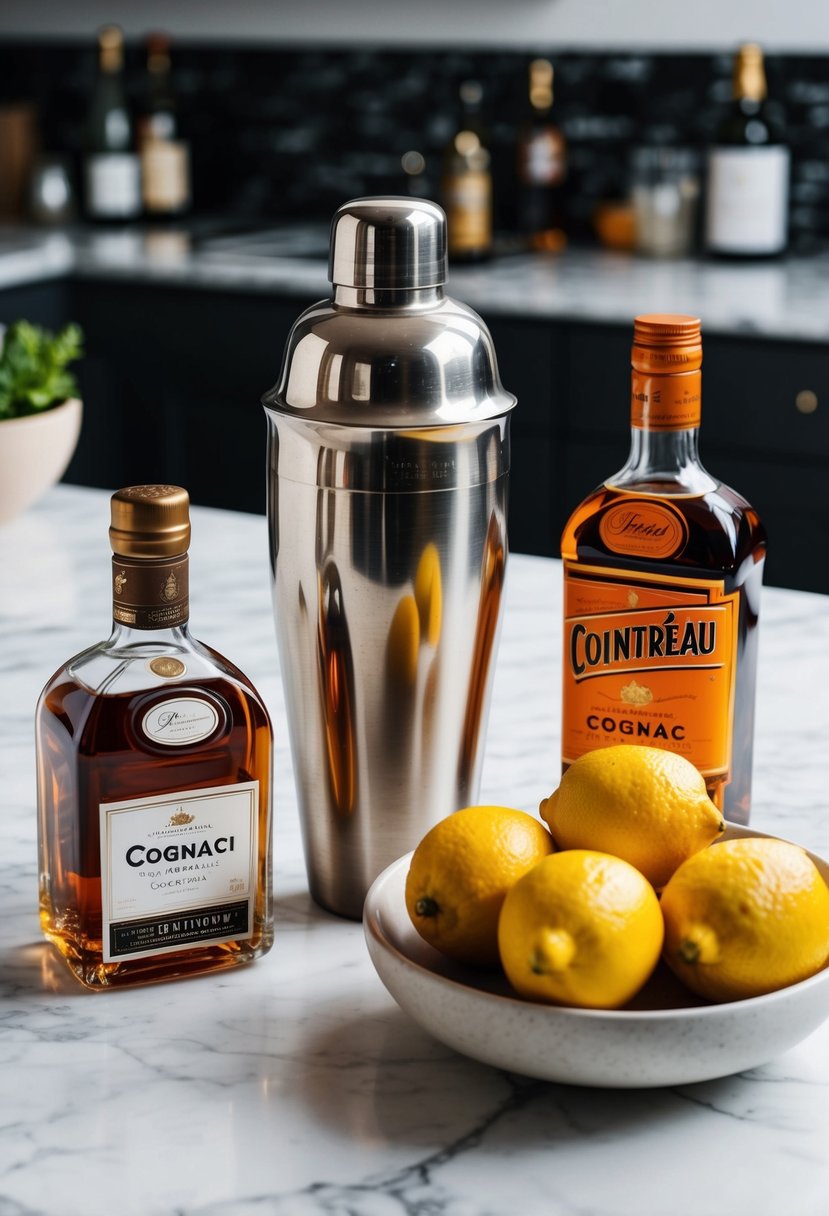
The Sidecar is a classic cocktail that dates back to the early 20th century. Its exact origins are a bit cloudy, but many believe it was created around World War I.
Two popular stories exist about the Sidecar’s birth. One claims it was invented at the Ritz Hotel in Paris. The other says it came from Buck’s Club in London. Both tales agree on the time period – somewhere between 1919 and 1922.
The drink’s name might come from an American army captain who often rode in a motorcycle sidecar. He reportedly asked for this mixture at a Paris bar.
Sidecar’s recipe evolved from an older drink called the Brandy Crusta. It kept the brandy base but simplified other ingredients. This made it easier to make and more appealing to a wider audience.
The cocktail typically uses cognac, orange liqueur, and lemon juice. These ingredients create a balance of sweet and sour flavors. Some bartenders add a sugar rim to the glass for extra sweetness.
Sidecar became popular during Prohibition in the United States. It helped mask the taste of low-quality spirits. After Prohibition, it remained a favorite in bars and homes alike.
Today, the Sidecar is a staple in mixology. It’s often featured in cocktail books and on bar menus. Many cocktail enthusiasts consider it a must-know recipe for any home bar.
Essential Ingredients and Substitutions
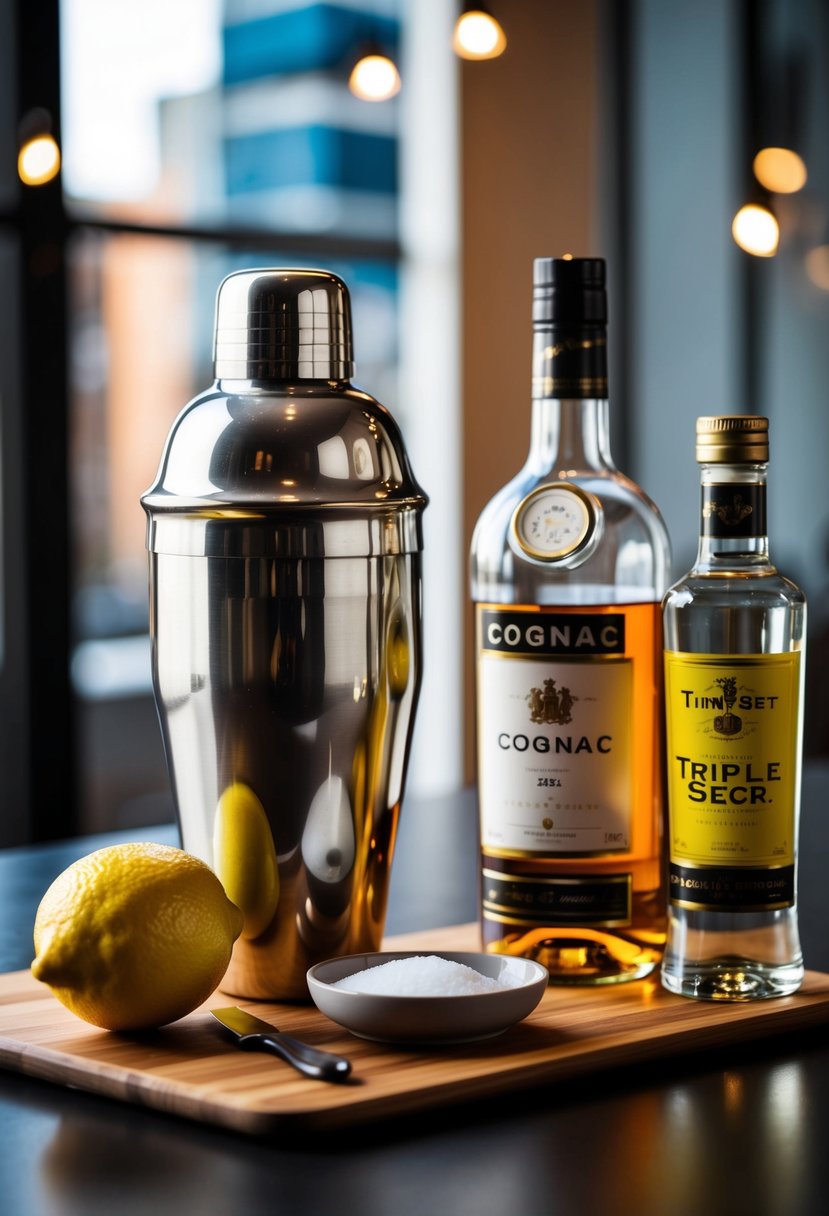
A Sidecar cocktail combines strong spirits with citrus for a balanced flavor. The key components can be adjusted to suit your taste or what you have on hand.
Main Components of a Sidecar
The classic Sidecar recipe calls for three main ingredients:
- Cognac: The base spirit, providing warmth and depth.
- Cointreau: An orange liqueur that adds sweetness and complexity.
- Lemon juice: Freshly squeezed for bright acidity.
To make a Sidecar, mix:
- 2 oz Cognac
- 1 oz Cointreau
- 1 oz fresh lemon juice
Shake with ice and strain into a chilled glass. For extra flair, rim the glass with sugar before pouring.
Substitute Options for Versatility
You can tweak the Sidecar recipe based on your preferences or available ingredients:
- Instead of Cognac, try brandy or even aged rum for a different twist.
- Replace Cointreau with Triple Sec or Grand Marnier.
- If you prefer a sweeter drink, add a splash of simple syrup.
For a bolder flavor, swap in tequila for the Cognac and use Curaçao as the orange liqueur. This variation is sometimes called a “Sidecar’s Neighbor.”
Remember, the key is to keep the 2:1:1 ratio of spirit to liqueur to citrus. This balance ensures a tasty drink every time.
Preparing the Perfect Sidecar
The Sidecar is a classic cocktail that combines cognac, orange liqueur, and fresh lemon juice. To make a great Sidecar, you’ll need the right tools, ingredients, and technique.
Mastering the Technique with a Shaker
Start with a cocktail shaker. Fill it about halfway with ice cubes.
Pour in 2 ounces of cognac, 1 ounce of orange liqueur, and 3/4 ounce of fresh lemon juice.
Seal the shaker tightly.
Hold the shaker with both hands, one on the top and one on the bottom. Shake vigorously for about 10-15 seconds. This mixes the ingredients and chills the drink.
The shaking action is key. It blends the flavors and creates a light, frothy texture. You’ll know you’ve shaken enough when the outside of the shaker feels very cold.
Achieving the Right Flavor Balance
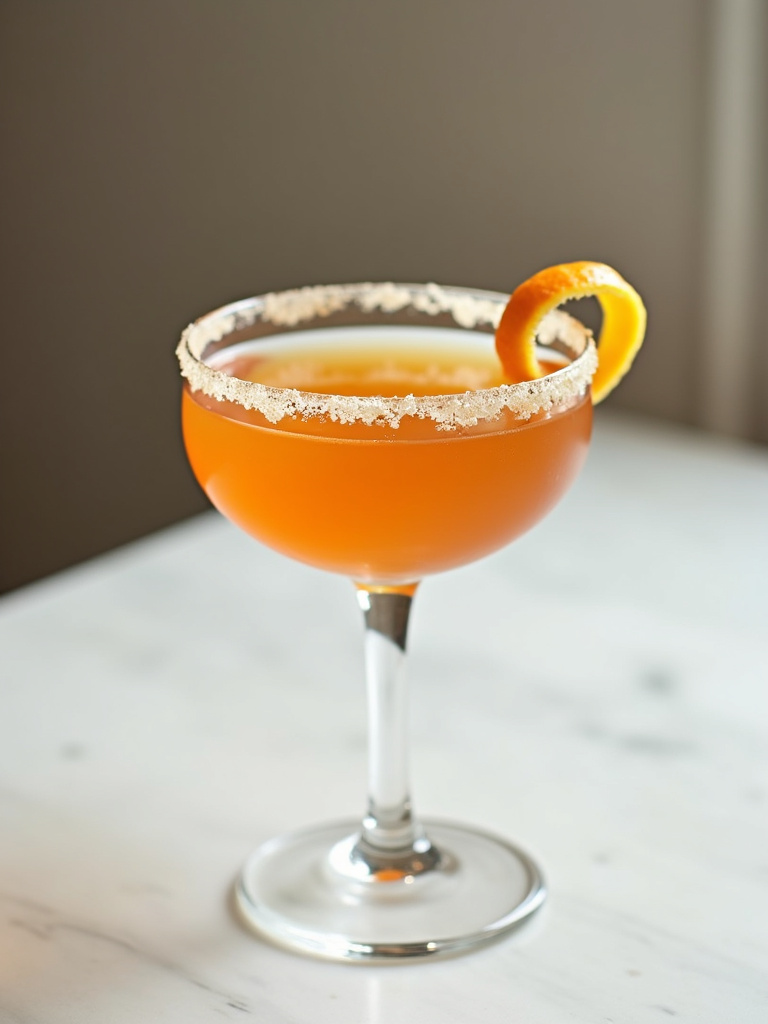
The Sidecar’s taste depends on getting the right mix of sweet, sour, and strong flavors. Use good quality cognac as your base spirit. Pick a smooth, well-rounded brand.
For the orange liqueur, Cointreau is a popular choice. It adds sweetness and depth. Always use fresh lemon juice, not bottled. It makes a big difference in taste.
Taste your Sidecar after mixing. If it’s too sour, add a bit more orange liqueur. If it’s too sweet, a splash more lemon juice will help. Adjust until you find the perfect balance for your taste.
Serving and Presenting with Elegance
Choose a chilled coupe glass or martini glass for serving. The V-shape helps keep the drink cold.
To chill the glass, fill it with ice water while you mix the cocktail, then dump it out before pouring.
For a sugar rim, rub a lemon wedge around the edge of the glass. Dip the rim in sugar. This adds a sweet contrast to the drink’s tartness.
Strain the cocktail into your prepared glass. A fine-mesh strainer can catch any ice chips for a smoother drink.
Garnish with a lemon twist. Cut a strip of lemon peel, twist it over the drink to release the oils, then drop it in. This adds aroma and visual appeal to your perfect Sidecar.
Nutritional Profile and Dietary Considerations
A Sidecar cocktail contains calories mainly from alcohol. One serving typically has about 200-250 calories. Most of these come from the cognac and orange liqueur.
The drink has no fat, protein, or significant vitamins and minerals. It does contain some sugar from the orange liqueur and lemon juice.
Here’s a basic breakdown of a Sidecar’s nutrition:
| Nutrient | Amount per serving |
|---|---|
| Calories | 200-250 |
| Fat | 0g |
| Protein | 0g |
| Sugar | 5-10g |
Keep in mind that alcohol can impact your diet and health. It adds extra calories without nutrients. Drinking too much may lead to weight gain.
If you’re watching your sugar intake, be aware of the sweetness in this cocktail. You can ask for less orange liqueur to reduce the sugar content.
Remember to drink responsibly. Limit your intake to stay within healthy drinking guidelines. Always have water between alcoholic drinks to stay hydrated.
For those with dietary restrictions, note that Sidecar ingredients are typically gluten-free. However, check with the bartender to be sure.
Elevating Your Home Bar with a Classic Sidecar
A Classic Sidecar is a great way to make your home bar more exciting. This drink combines cognac, orange-flavored liqueur, and fresh lemon juice.
To make the best Sidecar, use high-quality ingredients. Pick a good cognac and a top-shelf orange liqueur like Cointreau.
Fresh lemon juice is key. Squeeze real lemons instead of using bottled juice. The fresh taste makes a big difference.
Here’s the original recipe for a Classic Sidecar:
- 2 oz cognac
- 1 oz orange-flavored liqueur
- 1 oz fresh lemon juice
Shake these ingredients with ice and strain into a chilled cocktail glass.
Some bartenders like to add a sugar rim to the glass. To do this, rub a lemon wedge around the rim and dip it in white sugar.
You can adjust the amounts to suit your taste. If you like it sweeter, add more orange liqueur. For a tarter drink, use more lemon juice.
Remember to chill your glasses before serving. This small step can really improve your cocktails.
With practice, you’ll be making Sidecars like a pro. Your friends will be impressed by your bartending skills.
If you enjoy classic, spirit-forward cocktails like this one, you might also love the Whiskey Sour, which offers a similar balance of citrus and depth. The Lemon Drop Martini is another great option when you’re craving a brighter, citrus-led profile. For more timeless cocktails, refined favorites, and everyday drink ideas, be sure to visit the home page and explore the full recipe collection.